If you have ever looked at your dog and wondered whether it is time for a bath, a brush, a nail trim, or a full professional grooming appointment, you are not alone. One of the most common questions pet owners ask is, how often should you groom your dog? The answer depends on several factors, including breed, coat type, age, lifestyle, health, and the amount of grooming you can safely maintain at home.
Understanding how often should you groom your dog is important because grooming is about much more than appearance. A good grooming routine helps protect the skin, prevent painful mats, control shedding, maintain healthy nails, and identify possible health concerns before they become serious.
Some dogs need professional grooming every four weeks, while others may only need a full appointment every eight to twelve weeks. However, every dog still needs regular care between appointments. Learning how often should you groom your dog allows you to create a realistic routine that keeps your pet clean, comfortable, and easier to manage throughout the year.
At Epic Dog Academy, we understand that no two dogs have exactly the same grooming needs. This guide explains how often should you groom your dog based on coat type, activity level, season, age, health, and individual habits.
Why Regular Dog Grooming Matters
Regular brushing helps remove dirt, distribute natural oils, prevent tangles, and keep your dog’s skin clean. Pet owners can also review these dog grooming tips from the ASPCA for additional at-home care guidance.
Before deciding how often should you groom your dog, it helps to understand why regular grooming is so important. Grooming supports your dog’s physical comfort, cleanliness, and overall health.
Routine brushing removes loose hair, distributes natural oils, and prevents knots from becoming painful mats. Bathing removes dirt, allergens, and odors. Nail trimming prevents overgrown nails from changing the way your dog walks. Ear cleaning reduces buildup, while regular coat and skin checks can reveal lumps, irritation, parasites, or infections. Grooming should be considered part of your dog’s complete preventive-care routine. The Merck Veterinary Manual provides more information about routine health care for dogs.
Knowing how often should you groom your dog can also make grooming less stressful. Dogs that receive regular, positive handling often become more comfortable with brushing, bathing, nail trimming, and professional appointments.
When grooming is delayed too long, small issues can become more difficult and expensive to correct. Mats may tighten against the skin, nails may become painful, and hidden skin problems may worsen. A consistent schedule protects your dog and helps every grooming session go more smoothly.
Grooming Helps Prevent Painful Mats
Mats are tight tangles that pull on the skin. They commonly form behind the ears, beneath the legs, around the collar, near the tail, and in other areas where friction occurs.
When asking how often should you groom your dog, consider how quickly the coat tangles. Long, curly, soft, or fine coats may require brushing every day or every other day. Waiting several weeks between brushing sessions can allow small knots to turn into dense mats.
Severe matting may trap moisture and bacteria, limit movement, hide wounds, and cause pain. In some cases, the safest option is for a professional groomer to remove the coat with clippers rather than trying to brush out every mat.
Grooming Supports Healthy Skin
Regular brushing and bathing can remove dirt, dead hair, pollen, and other materials that collect in the coat. It also allows you to inspect the skin for redness, dryness, fleas, ticks, hot spots, sores, or unusual growths.
A major part of understanding how often should you groom your dog is paying attention to skin condition. Dogs with allergies, sensitive skin, or recurring infections may need a veterinarian-approved bathing schedule and specific products.
Bathing too rarely can allow buildup and odor, but bathing too often with harsh products may strip natural oils and cause dryness. The right schedule creates a healthy balance.
Grooming Protects Nails, Ears, Teeth, and Paws
A complete grooming routine includes more than coat care. Nail trimming, ear checks, dental care, and paw maintenance are also important.
When determining how often should you groom your dog, remember that different grooming tasks follow different schedules. A dog may need brushing every day, a bath once a month, and nail trimming every three to four weeks.
Ears should be checked regularly, especially in dogs with floppy ears or dogs that swim often. Teeth should receive frequent at-home care, while paw pads should be inspected for cracks, debris, injuries, or overgrown fur.
How Often Should You Groom Your Dog Based on Coat Type?
The clearest starting point for answering how often should you groom your dog is coat type. Different coats grow, shed, and tangle in different ways.
Pet owners can also review these grooming needs based on coat type for additional guidance about coat length and texture.
Breed can provide useful guidance, but individual dogs may still need adjustments. Two dogs of the same breed can have different coat density, skin sensitivity, activity levels, or grooming tolerance.
Short-Coated Dogs
Short-coated breeds such as Beagles, Boxers, Great Danes, Pugs, and many Labradors usually have lower-maintenance coats. However, low maintenance does not mean no maintenance.
For short-coated dogs, how often should you groom your dog generally looks like this:
- Brush once or twice per week.
- Bathe every four to eight weeks or when noticeably dirty.
- Trim nails every three to four weeks.
- Schedule professional grooming every eight to twelve weeks.
Short coats can still shed heavily. Rubber grooming tools, soft-bristle brushes, and suitable de-shedding tools may help remove loose hair and keep the coat healthy and shiny.
If your short-coated dog spends a lot of time outdoors, swims regularly, or develops strong odors, you may need to adjust how often should you groom your dog and schedule care more frequently.
Double-Coated Dogs
Golden Retrievers, German Shepherds, Huskies, Australian Shepherds, and many other breeds have a dense undercoat beneath a protective outer coat.
For double-coated breeds, how often should you groom your dog depends heavily on shedding season. Most need brushing two to three times per week and more frequent brushing during spring and fall.
Bathing is often appropriate every six to eight weeks, while professional grooming may be helpful every six to ten weeks. Professional de-shedding treatments can remove loose undercoat and improve airflow through the coat.
Do not shave a healthy double coat simply to reduce shedding or keep the dog cool unless a veterinarian recommends it for a medical reason. The coat helps protect the skin and regulate temperature.
When deciding how often should you groom your dog, focus on removing loose undercoat instead of removing the protective coat itself.
Long-Coated Dogs
Shih Tzus, Maltese, Yorkshire Terriers, Afghan Hounds, and other long-coated breeds are more likely to develop tangles and mats.
For these dogs, how often should you groom your dog usually means brushing daily or every other day, bathing every three to four weeks, and scheduling professional grooming every four to six weeks.
Long coats require careful maintenance around the face, ears, legs, tail, underside, and areas where a harness or collar rubs against the hair. Even dogs kept in shorter pet trims need regular brushing because the remaining coat can still tangle.
If you prefer a long, flowing coat, expect more frequent home maintenance. Your answer to how often should you groom your dog must reflect the length and condition of the coat you want to maintain.
Curly and Wavy-Coated Dogs
Poodles, Bichon Frises, Portuguese Water Dogs, and many Doodle mixes have curly or wavy coats that can mat close to the skin.
For curly-coated breeds, how often should you groom your dog is often every four to six weeks professionally, with thorough brushing several times per week at home.
These coats continue growing and may trap loose hair instead of releasing it around the house. That can make shedding seem low, but the trapped hair can contribute to severe matting.
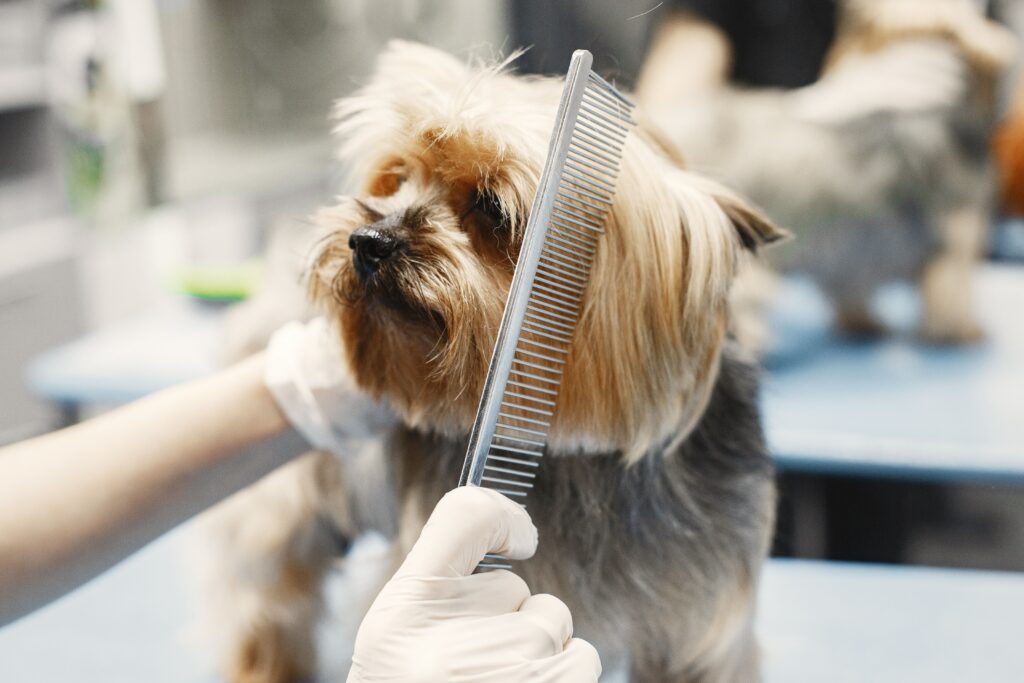
A slicker brush and metal comb are often used together. Brushing only the top layer may leave tight knots near the skin. When considering how often should you groom your dog, remember that complete brushing matters more than a quick surface brush.
Wire-Coated Dogs
Terriers, Schnauzers, and other wire-coated breeds have coarse coats that may need clipping, scissoring, or hand-stripping depending on the desired texture and appearance.
For wire coats, how often should you groom your dog may involve brushing two to three times per week, bathing every four to six weeks, and professional grooming every six to eight weeks.
Hand-stripping schedules vary and are best discussed with a groomer experienced with the breed. Pet owners who prefer a softer, clipped coat may choose a different maintenance plan.
Hairless and Fine-Coated Dogs
Hairless breeds and dogs with extremely fine coats still need regular grooming. Their skin may be more exposed to dirt, dryness, sunlight, and temperature changes.
For these dogs, how often should you groom your dog may include gentle bathing every two to four weeks, regular moisturizing with veterinarian-approved products, nail care, ear checks, and careful skin inspections.
Because there is little or no coat to protect the skin, avoid harsh products and excessive bathing. Ask a veterinarian or experienced groomer for guidance if the skin becomes oily, dry, irritated, or prone to breakouts.
How Often Should You Groom Your Dog for Each Grooming Task?
A complete grooming routine contains several separate tasks. The answer to how often should you groom your dog changes depending on whether you mean brushing, bathing, nail trimming, ear cleaning, dental care, or professional coat trimming.
Brushing
Brushing frequency depends on coat type and length.
Short coats may need weekly brushing. Double coats often need brushing two or three times per week. Long, curly, and fine coats may need brushing daily or every other day.
When deciding how often should you groom your dog at home, brushing is usually the task that happens most frequently. Regular brushing prevents tangles, removes debris, reduces loose hair, and helps you notice skin or coat changes.
Use the correct brush for the coat. A professional groomer can show you which tools to use and how to reach the undercoat safely.
Bathing
Most healthy dogs do not need weekly baths unless their lifestyle or medical needs require them. For many dogs, bathing every four to eight weeks is reasonable.
However, how often should you groom your dog with a bath depends on activity, odor, coat condition, allergies, and product choice. Dogs that swim, hike, roll in dirt, or spend a lot of time outdoors may need baths more often.
Always use dog-safe shampoo. Human products may have an unsuitable pH and can irritate canine skin.
Rinse the coat thoroughly because shampoo residue can cause itching. Dry the coat completely, especially in thick or long-coated dogs where trapped moisture may contribute to irritation.
Nail Trimming
Most dogs need nail care every three to four weeks, although some need it more often. Dogs that walk regularly on hard surfaces may wear their nails down naturally, while indoor dogs may not.
When asking how often should you groom your dog, listen for nails clicking on hard floors and inspect whether the nails touch the ground while your dog is standing.
Overgrown nails can change posture, create discomfort, split, or grow into the paw pad. Regular small trims are usually easier and safer than waiting until the nails become extremely long.
Ear Cleaning
Ear-cleaning frequency varies. Some dogs need only occasional cleaning, while dogs with floppy ears, allergies, heavy ear hair, or frequent swimming may need closer attention.
The question how often should you groom your dog should include a weekly ear check, even when cleaning is not required every week.
Healthy ears should not have strong odors, heavy discharge, significant redness, or obvious pain. Do not insert cotton swabs deep into the ear canal. Contact a veterinarian if you notice possible signs of infection.
Teeth and Oral Care
Dogs should receive frequent dental care at home. Daily brushing with dog-safe toothpaste is ideal, although brushing several times per week can still be beneficial when done consistently.
A complete answer to how often should you groom your dog includes oral hygiene because dental disease can affect comfort, eating, and overall health.
Professional veterinary dental cleaning is different from cosmetic tooth brushing and should be discussed with your veterinarian.
Haircuts and Coat Trimming
Dogs with continuously growing coats usually need professional haircuts every four to eight weeks. The exact interval depends on coat type, preferred length, brushing habits, and how quickly the hair grows.
When you are unsure how often should you groom your dog for a haircut, ask your groomer to recommend a schedule after evaluating the coat in person.
Waiting too long may allow mats to form, making it impossible to maintain the desired hairstyle safely.
Other Factors That Affect Your Dog’s Grooming Schedule
Coat type provides a starting point, but it does not provide the entire answer. Lifestyle, age, medical needs, season, and behavior can all change how often should you groom your dog.
Activity Level and Outdoor Lifestyle
Dogs that hike, swim, dig, visit dog parks, or spend time in brush and grass need more frequent coat checks and cleaning.
For active dogs, how often should you groom your dog depends on what they encounter. Mud, burrs, sand, saltwater, pool chemicals, and plant material can collect in the coat and between the toes.
A complete bath may not be necessary after every outdoor trip, but rinsing the paws, brushing out debris, and checking for ticks can help prevent discomfort.
Age and Mobility
Puppies benefit from early and gentle grooming experiences. Short, positive sessions help them learn that handling, brushing, dryers, clippers, and nail care are normal.
For puppies, how often should you groom your dog may include frequent brief practice at home and professional introductory appointments before the coat becomes difficult to manage.
Senior dogs may need more frequent but shorter sessions. Arthritis, weakness, or skin changes can make standing for long periods uncomfortable. A patient groomer can adjust positioning and allow rest breaks.
Allergies and Skin Conditions
Dogs with allergies, yeast problems, bacterial infections, or other skin conditions may need medicated bathing on a schedule provided by a veterinarian.
In these situations, how often should you groom your dog should not be based only on general breed recommendations. Medical instructions should always come first.
Tell your groomer about diagnoses, medications, sensitive areas, and prescribed products. Cooperation between the owner, groomer, and veterinarian can improve your dog’s comfort and results.
Seasonal Shedding
Many double-coated dogs shed heavily during spring and fall. During these periods, brushing may need to increase from a few times per week to every day.
Seasonal changes strongly affect how often should you groom your dog because loose undercoat can build up quickly.
Professional de-shedding services can help, but they work best when combined with regular brushing at home.
Behavior and Grooming Tolerance
A nervous dog may need shorter appointments, quiet scheduling, extra breaks, or gradual introductions. Waiting until the coat becomes badly tangled can make the experience longer and more uncomfortable.
For anxious dogs, how often should you groom your dog may need to be more frequent. Shorter and easier appointments can help prevent the grooming process from becoming overwhelming.
Never punish fear during grooming. Work with patient professionals who use safe and low-stress handling methods.
Signs Your Dog Needs Grooming Earlier Than Scheduled
Even when you follow a regular calendar, your dog may need care sooner. The best answer to how often should you groom your dog always includes observing the dog in front of you.
Schedule grooming earlier when you notice:
- A strong or unusual odor
- Visible dirt, grease, or debris
- Mats or tangles
- Heavy shedding
- Nails clicking loudly on the floor
- Red, dirty, or smelly ears
- Excessive scratching or licking
- Hair covering the eyes
- Fur collecting between the paw pads
- Difficulty remaining clean after bathroom breaks
- Skin redness, sores, or unusual lumps
Do not ignore a sudden change simply because the next appointment is still several weeks away. Changes in the skin, ears, odor, or behavior may require veterinary attention rather than routine grooming.
Can You Groom Your Dog Too Often?
Yes, some grooming tasks can be overdone. Understanding how often should you groom your dog also means knowing when to avoid unnecessary care.
Bathing too often with harsh shampoo can dry the skin. Aggressive brushing can cause irritation or break the coat. Excessive ear cleaning may disturb the ear’s natural balance. Nail trimming without the proper technique can cause pain and bleeding.
The goal is not maximum grooming. The goal is appropriate grooming.
Use gentle tools and products, follow coat-specific guidance, and ask a professional whenever you are unsure. When your dog has a medical condition, follow veterinary instructions instead of relying only on a general grooming schedule.
Why Professional Grooming Makes a Difference
Home grooming is important, but professional grooming provides tools, experience, and handling skills that many owners may not have.
A professional groomer can help answer how often should you groom your dog based on coat condition, skin health, lifestyle, behavior, and your preferred haircut.
Professional services may include:
- Thorough brushing and safe de-matting
- Bathing with coat-appropriate products
- Complete coat drying
- Professional de-shedding
- Nail trimming or grinding
- Ear cleaning
- Paw-pad trimming
- Sanitary trimming
- Haircuts and styling
- Skin and coat observations
A groomer may notice changes such as lumps, unusual ear odor, skin irritation, parasites, or painful areas. Groomers do not diagnose medical conditions, but they can alert you when something should be examined by a veterinarian.
If you are in the Temecula area, Epic Dog Academy offers professional dog grooming in Temecula based on your dog’s coat, comfort, temperament, and individual needs.
How Often Should You Groom Your Dog at Home Between Appointments?
Using the correct equipment and handling methods can make home grooming safer and more comfortable. Dog owners can review these safe at-home dog grooming practices before beginning a new routine.
Professional appointments are only one part of a successful grooming plan. Home maintenance helps prevent mats, reduces shedding, and keeps your dog comfortable between visits.
When planning how often should you groom your dog at home, create short routines that are simple and easy to repeat.
You might brush a long-coated dog for ten to fifteen minutes every day, check the ears once a week, clean the paws after outdoor activities, and inspect the nails every two weeks.
Consistency is more helpful than waiting for a major problem. A few minutes of regular care can prevent hours of difficult grooming later.
Create a Calm Grooming Area
Begin slowly and use positive handling to keep the experience comfortable. This guide explains how to groom your dog safely at home and when professional assistance may be more appropriate
Choose a quiet, well-lit space with a secure, non-slip surface. Keep your tools nearby and allow your dog to become familiar with them.
Reward calm behavior with praise or small treats. Begin with brief sessions and stop before your dog becomes overly stressed.
Brush the Coat in Sections
For long and curly coats, separate the hair into small sections and brush from the skin outward. Follow with a metal comb to check for hidden tangles.
Surface brushing may make the top layer look neat while mats continue forming beneath it.
Handle the Paws, Ears, and Face Regularly
Gently touch your dog’s paws, lift the ears, inspect the mouth, and handle the face during calm moments. This can prepare your dog for professional grooming and veterinary examinations.
The more comfortable your dog becomes with safe handling, the easier it will be to maintain a healthy grooming routine.
Building a Grooming Routine That Works
The best answer to how often should you groom your dog is a schedule you can follow consistently.
Start by identifying your dog’s coat type and recommended professional interval. Then add home brushing, nail checks, ear checks, dental care, and seasonal adjustments.
A simple grooming plan might look like this:
- Brush long or curly coats daily or every other day.
- Brush short coats and inspect the skin at least once per week.
- Check the ears and paws weekly.
- Examine and trim the nails every three to four weeks.
- Bathe your dog every four to eight weeks, depending on their needs.
- Schedule professional grooming every four to twelve weeks based on coat type.
- Increase brushing during periods of heavy shedding.
- Clean and check the coat after outdoor activities.
- Schedule care sooner when you notice mats, odor, or skin concerns.
Book the next appointment before leaving the grooming facility. Scheduling ahead helps prevent long delays during holidays and busy grooming seasons.
Frequently Asked Questions
How Often Should You Groom Your Dog With a Short Coat?
Short-coated dogs usually need brushing once or twice per week, bathing every four to eight weeks, and professional grooming every eight to twelve weeks.
The exact answer to how often should you groom your dog changes when the dog sheds heavily, spends a lot of time outdoors, swims frequently, or has skin concerns.
How Often Should You Groom Your Dog With a Long or Curly Coat?
Long and curly coats usually need brushing daily or every other day and professional grooming every four to six weeks.
When owners ask how often should you groom your dog with this type of coat, the most important goal is preventing mats before they tighten close to the skin.
How Often Should You Groom Your Dog During Shedding Season?
During spring and fall, many double-coated dogs benefit from brushing every day or several times each week.
Professional de-shedding appointments may also help. Adjust how often should you groom your dog according to the amount of loose undercoat and your dog’s comfort.
How Often Should You Groom Your Dog if They Have Allergies?
Dogs with allergies may need medicated baths on a schedule recommended by a veterinarian.
General advice about how often should you groom your dog should never replace medical instructions for a diagnosed skin condition.
How Often Should You Groom Your Dog if They Are a Puppy?
Puppies should begin gentle grooming practice as early as safely possible. Start with short brushing sessions, paw handling, ear checks, and professional introduction visits.
Early routines help answer how often should you groom your dog by making regular care easier throughout your dog’s life.
How Often Should You Groom Your Dog if They Are a Senior?
Senior dogs may need more frequent coat, nail, skin, and hygiene checks. Grooming appointments may need to be shorter because standing for a long time can be uncomfortable.
Ask your groomer to adjust how often should you groom your dog based on mobility, health, coat condition, and stress level.
Can I Bathe My Dog Every Week?
Some dogs can follow a weekly bathing schedule when a veterinarian recommends it and appropriate products are used. For many healthy dogs, weekly bathing is unnecessary.
Before increasing how often should you groom your dog with baths, consider skin condition, coat type, activity, and product quality.
What Happens if I Wait Too Long Between Grooming Appointments?
Long delays can lead to matting, overgrown nails, skin irritation, strong odors, heavy shedding, and more difficult grooming appointments.
A consistent schedule makes grooming safer and often more affordable because severe coat problems are less likely to develop.
Is Professional Grooming Worth It?
Professional grooming is especially useful for dogs with long, curly, dense, or continuously growing coats. It is also helpful for owners who are not comfortable trimming nails, cleaning ears, or handling difficult coat care.
A trained groomer can help determine how often should you groom your dog and recommend realistic home maintenance.
How Do I Know Whether My Dog Needs Grooming Sooner?
Look for odor, dirt, mats, heavy shedding, long nails, ear buildup, scratching, licking, or hair covering the eyes and paws.
The calendar is only a guide. Your dog’s condition should always influence how often should you groom your dog.
Why Choose Epic Dog Academy for Dog Grooming in Temecula?
At Epic Dog Academy, we understand that grooming should be safe, comfortable, and based on the needs of the individual dog.
Our team considers coat type, coat condition, age, temperament, activity level, health, and home maintenance when helping owners determine how often should you groom your dog.
We focus on creating positive grooming experiences while supporting healthy skin, manageable coats, comfortable nails, and clean ears and paws.
Whether your dog needs regular trims, professional de-shedding, bathing, nail care, or a complete grooming session, our team is ready to help you create a practical routine.
Give Your Dog the Grooming Care They Deserve
So, how often should you groom your dog? The answer depends on your dog’s coat, lifestyle, age, health, and individual needs. Short-coated dogs may need professional care every eight to twelve weeks, while long or curly-coated dogs often need appointments every four to six weeks.
The best way to determine how often should you groom your dog is to combine general coat guidelines with regular observation and professional advice.
Do not wait for severe matting, strong odors, painful nails, or irritated skin. A steady grooming routine keeps your dog cleaner, more comfortable, healthier, and easier to care for throughout the year.
Contact Epic Dog Academy today to learn more about professional dog grooming in Temecula, schedule an appointment, and receive personalized guidance about how often should you groom your dog.