

Board and Train vs. Group Training Classes: Which Is Right for Your Dog? is one of the most important questions owners ask when they want professional help but are unsure which training format will fit their dog, lifestyle, and goals. Both options can improve obedience, communication, leash manners, recall, and impulse control, but they work in very different ways.
When comparing Board and Train vs. Group Training Classes: Which Is Right for Your Dog?, focus on structure, owner involvement, training frequency, behavior needs, timeline, and how much daily practice you can realistically provide at home. This guide breaks down Board and Train vs. Group Training Classes: Which Is Right for Your Dog? in practical terms so you can compare board and train with group classes before making a decision.

Understanding Board and Train vs. Group Training Classes: Which Is Right for Your Dog? ?
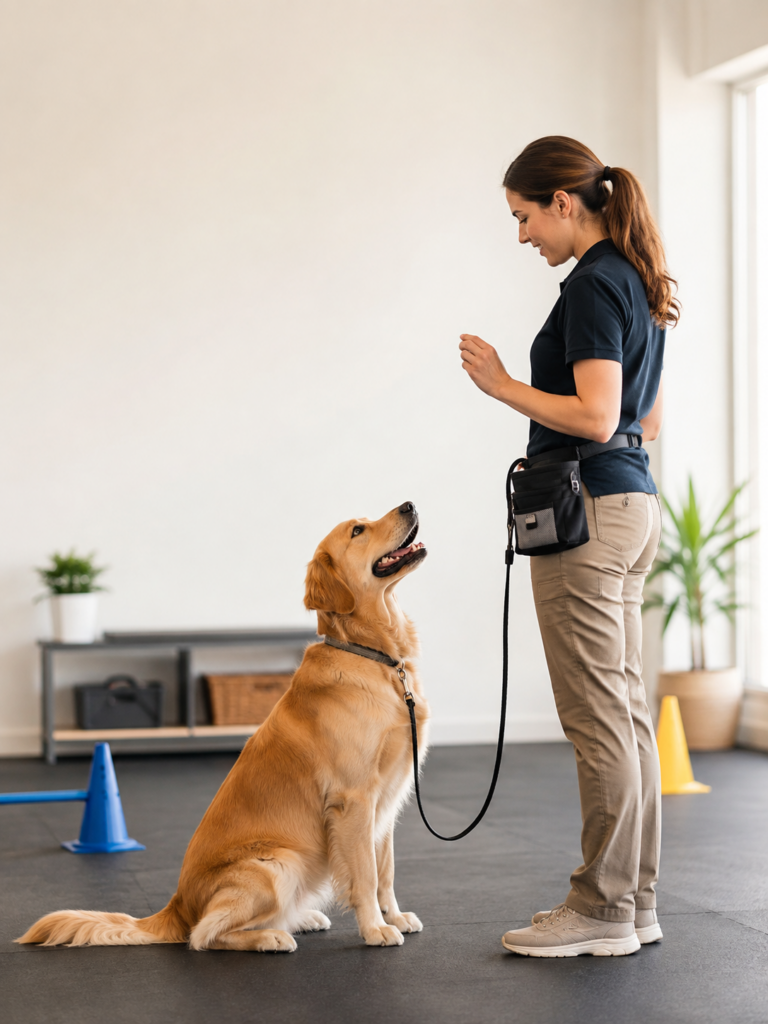
Board and Train vs. Group Training Classes: Which Is Right for Your Dog? compares an immersive professional program with a class-based training format.
- In board and train, your dog stays with professional trainers for a set period and receives structured training throughout the day.
- In group classes, you attend scheduled lessons with your dog, learn exercises from an instructor, and practice those skills at home between sessions.
- The biggest difference in Board and Train vs. Group Training Classes: Which Is Right for Your Dog? is who performs most of the early repetitions. In board and train, professionals build much of the foundation. In group classes, the owner is responsible for most of the day-to-day practice.
- Neither format guarantees success on its own. Trainer quality, training methods, owner consistency, the dog’s temperament, and the suitability of the program all matter.
How Board and Train Works
A board and train program gives your dog concentrated professional training while staying with trainers or at a training facility.
Typical goals may include:
Loose-leash walking
Sit, down, and stay
Place
Recall
Doorway manners
Calm greetings
Impulse control
Focus around distractions
Crate routines
Everyday obedience
One reason owners choose board and train when considering Board and Train vs. Group Training Classes: Which Is Right for Your Dog? is consistency. Trainers can create many short learning opportunities throughout each day instead of relying on one weekly session.
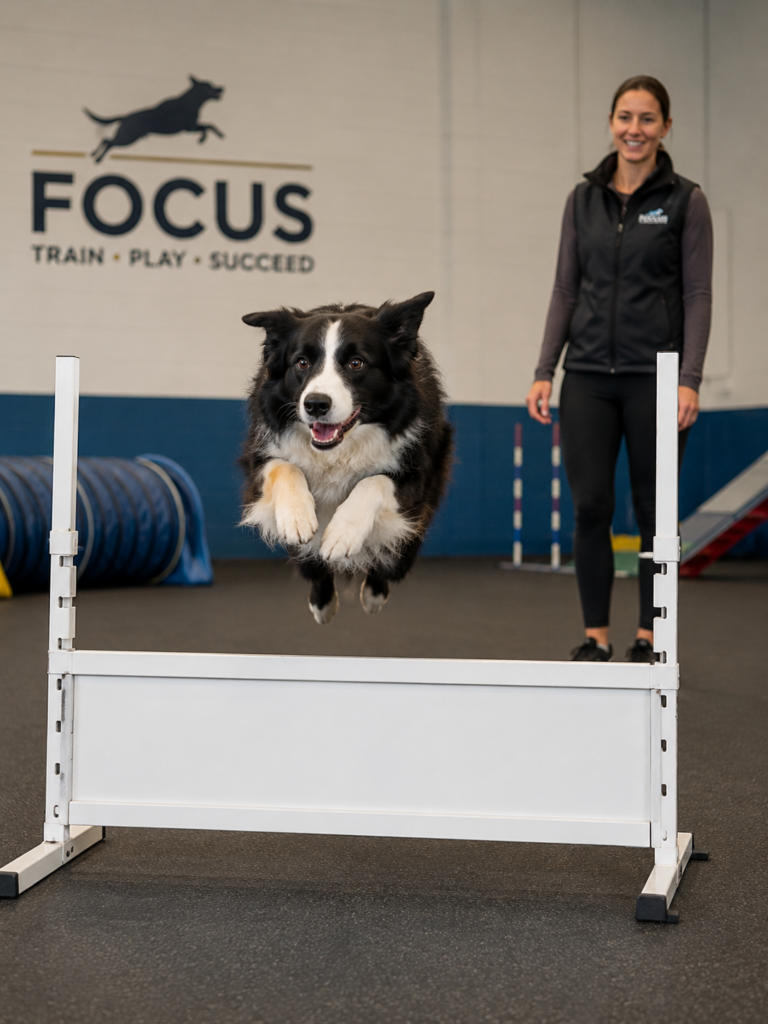
How Group Training Classes Work
Group classes usually involve several dogs and owners learning together under the guidance of one trainer.
A class may include:
Weekly lessons
Demonstrations of new skills
Hands-on owner practice
Feedback from the instructor
Controlled work around distractions
Homework between sessions
For families comparing Board and Train vs. Group Training Classes: Which Is Right for Your Dog?, group classes offer a major advantage: owners learn to train their dogs from the beginning.
Board and Train vs. Group Training Classes: Which Is Right for Your Dog? for Busy Owners
Schedule is one of the biggest deciding factors.
If work, children, travel, or an unpredictable routine makes daily practice difficult, Board and Train vs. Group Training Classes: Which Is Right for Your Dog? may lean toward board and train.
Professional trainers can create the early repetition while your dog is in the program. You still need to maintain the skills afterward, but you do not have to build every foundation exercise yourself.
Group classes require more consistent homework. When weighing Board and Train vs. Group Training Classes: Which Is Right for Your Dog?, be realistic about the amount of time you can actually commit.
Board and Train vs. Group Training Classes: Which Is Right for Your Dog? for Hands-On Owners
Some owners want to learn every step alongside their dogs.
For those families, Board and Train vs. Group Training Classes: Which Is Right for Your Dog? may lean toward group classes.
Group training helps owners learn:
Reward timing
Leash handling
Cue delivery
Body language
How to increase difficulty
How to respond to mistakes
How to practice around distractions
Board and train should still include owner instruction, but much of that coaching usually happens during handoff and follow-up sessions.
Board and Train vs. Group Training Classes: Which Is Right for Your Dog? and Speed of Progress
Board and train often creates faster early progress because professional training occurs every day.
Group classes generally move at a slower pace because lessons may occur once per week and owners practice between sessions.
In Board and Train vs. Group Training Classes: Which Is Right for Your Dog?, faster does not automatically mean better.
The important question is whether the dog can perform the skills with the owner and in real-world environments after the program ends.
For Board and Train vs. Group Training Classes: Which Is Right for Your Dog?, long-term usefulness matters more than fast-looking progress.
Board and Train vs. Group Training Classes: Which Is Right for Your Dog? and Owner Involvement
Owner involvement is one of the clearest differences.
With board and train, professionals handle most of the early training.
With group classes, the owner is involved from the first lesson.
When comparing Board and Train vs. Group Training Classes: Which Is Right for Your Dog?, think about whether your main goal is to outsource much of the foundation work or to become the primary trainer under professional guidance.
Neither option removes the need for consistency at home.
In Board and Train vs. Group Training Classes: Which Is Right for Your Dog?, owner follow-through remains essential regardless of the format.
Board and Train vs. Group Training Classes: Which Is Right for Your Dog? and Training Transfer
Dogs do not automatically generalize every skill.
A dog may walk calmly with a trainer and still pull when the owner takes the leash. A dog may focus well in class but struggle on a busy neighborhood walk.
That is why Board and Train vs. Group Training Classes: Which Is Right for Your Dog? should include a discussion of generalization.
A strong board and train handoff should teach:
Cues
Leash-handling techniques
Reward timing
Household expectations
Practice routines
How to respond when behavior slips
Group classes already involve the owner, but skills still need to be practiced outside the classroom.
That makes Board and Train vs. Group Training Classes: Which Is Right for Your Dog? a decision about both professional training and everyday practice.
Board and Train vs. Group Training Classes: Which Is Right for Your Dog? for Puppies
Puppies can benefit from either format.
Board and train may help establish crate routines, leash foundations, recall, handling skills, calmness, and basic manners.
Group classes can help owners learn how to train their puppies while providing carefully managed exposure to other dogs and people.
When evaluating Board and Train vs. Group Training Classes: Which Is Right for Your Dog? for puppies, developmental stage matters more than speed.
The American Veterinary Society of Animal Behavior offers helpful position statements on puppy socialization and humane training without directing traffic to a competing local business.
Board and Train vs. Group Training Classes: Which Is Right for Your Dog? for Adolescent Dogs
Adolescent dogs can become distracted, impulsive, and increasingly independent.
They may pull harder, ignore familiar cues, jump, bark, or struggle to settle.
For adolescent dogs, Board and Train vs. Group Training Classes: Which Is Right for Your Dog? often comes down to owner capacity.
Board and train can provide concentrated structure and repetition.
Group classes can work extremely well when owners are willing to practice consistently between lessons.
Board and Train vs. Group Training Classes: Which Is Right for Your Dog? for Adult Dogs
Adult dogs can learn new skills even when unwanted habits have existed for years.
Board and train may be useful when the dog needs concentrated professional repetition.
Group classes may work well when goals involve basic manners and the dog can remain comfortable in a shared training environment.
In Board and Train vs. Group Training Classes: Which Is Right for Your Dog?, age alone should not determine the choice. Behavior history, temperament, health, and training goals matter more.
Board and Train vs. Group Training Classes: Which Is Right for Your Dog? for Leash Pulling
Leash pulling involves both the dog and the person holding the leash.
Board and train gives professionals many chances to establish calmer walking.
Group classes teach owners how to hold the leash, reward position, and respond to distractions.
That makes Board and Train vs. Group Training Classes: Which Is Right for Your Dog? especially relevant for leash work because both dog behavior and owner handling affect the result.
Board and Train vs. Group Training Classes: Which Is Right for Your Dog? for Recall
Recall requires repetition, reinforcement, and gradual practice around distractions.
Board and train gives a professional more opportunities to build the foundation.
Group classes help owners learn long-line handling, reward timing, and distraction management.
When deciding on Board and Train vs. Group Training Classes: Which Is Right for Your Dog? for recall, consider how reliably the dog responds now and how much safe practice you can provide.
Board and Train vs. Group Training Classes: Which Is Right for Your Dog? for Reactive Dogs
Reactivity may include barking, lunging, freezing, growling, or intense arousal around triggers.
Not every reactive dog is ready for a group class.
Some dogs need greater distance, individualized setups, or specialized behavior support before working around multiple dogs.
When considering Board and Train vs. Group Training Classes: Which Is Right for Your Dog? for reactivity, the safest choice depends on trigger intensity, recovery, emotional comfort, and the trainer’s experience.
The ASPCA provides general behavioral help resources that can help owners understand when individualized support may be appropriate.
Board and Train vs. Group Training Classes: Which Is Right for Your Dog? and Training Methods
The format does not determine training quality.
Two board and train programs can use very different methods, just as two group instructors can have very different approaches.
When reviewing Board and Train vs. Group Training Classes: Which Is Right for Your Dog?, ask:
How are new skills taught?
What rewards are used?
How are mistakes handled?
What equipment is used?
How is fear recognized?
What happens if a dog becomes overwhelmed?
How are owners taught?
How are skills transferred into daily life?
AVSAB’s humane dog training guidance is a useful non-commercial resource when evaluating training methods.
Board and Train vs. Group Training Classes: Which Is Right for Your Dog? and Trainer Qualifications
Professionalism matters in both formats.
The Certification Council for Professional Dog Trainers provides a helpful guide on how to choose a dog trainer.
When evaluating Board and Train vs. Group Training Classes: Which Is Right for Your Dog?, ask about:
Education
Experience
Training philosophy
Methods
Safety procedures
Experience with your dog’s goals
Owner education
Follow-up support
A professional trainer should be able to answer these questions clearly.
Transparency is important when comparing Board and Train vs. Group Training Classes: Which Is Right for Your Dog?.
Board and Train vs. Group Training Classes: Which Is Right for Your Dog? and Cost
Group classes are generally less expensive upfront because the trainer works with several households at once and the dog continues living at home.
Board and train usually costs more because the service may include lodging, feeding, daily care, professional supervision, multiple training sessions, exercise, facility use, handoff lessons, and follow-up support.
When comparing Board and Train vs. Group Training Classes: Which Is Right for Your Dog?, do not compare the totals without comparing what is included.
A lower-cost class may be perfect for basic skills, while a more intensive program may offer better value when the dog needs concentrated professional support.
Board and Train vs. Group Training Classes: Which Is Right for Your Dog? and Real-World Distractions
Training should eventually work beyond a quiet room.
Dogs encounter:
Other dogs
Visitors
Vehicles
Joggers
Children
Wildlife
Food
New environments
Veterinary offices
Busy sidewalks
In Board and Train vs. Group Training Classes: Which Is Right for Your Dog?, ask how each program introduces distractions.
Board and train should generalize skills beyond the facility when appropriate.
Group classes should also encourage owners to practice in safe real-world environments after the dog understands the foundation.
Board and Train vs. Group Training Classes: Which Is Right for Your Dog? and Long-Term Maintenance
Training does not end when a program ends.
Both options require continued practice.
Long-term maintenance may include:
Short daily practice
Structured walks
Consistent cues
Calm greetings
Recall work
Place training
Appropriate enrichment
Follow-up lessons
Owner education is essential in Board and Train vs. Group Training Classes: Which Is Right for Your Dog? because long-term results depend on what happens after professional training ends.
these training options: When Board and Train May Fit Better
Board and train may be a stronger fit when:
Your schedule limits daily practice
Your dog needs a stronger foundation
You want concentrated professional work
The dog needs more repetition than you can provide
You want faster early momentum
You are prepared to maintain the training afterward
For more information, explore Epic Dog Academy’s board and train program.
the program decision: When Group Classes May Fit Better
Group training may be a stronger fit when:
You want to learn alongside your dog
Your dog is comfortable in a class environment
Your goals involve basic manners
You have time to practice
You prefer a gradual pace
You want a lower upfront investment
In this training comparison, group training depends heavily on owner consistency.
The more clearly you follow the practice plan between classes, the more useful each lesson becomes.
the two training formats: Can You Combine Both?
Yes.
Sometimes the strongest answer to the choice between formats is a hybrid plan.
A dog might begin with board and train to establish foundational behavior, then transition into private or group lessons so the owner can continue building skills.
Epic Dog Academy’s broader dog training services can help owners explore available options.
these training options and Other Dog Care Services
Training can be easier to maintain when it fits naturally into the dog’s overall routine.
Owners who travel may also need dog boarding in Temecula.
Dogs that benefit from structured activity may use dog daycare services when appropriate.
These services are not replacements for training, but a thoughtful routine can support consistency and daily management.
For local information, visit our Temecula service area page.
Questions to Ask When Comparing the program decision
Before enrolling, ask:
Which program fits my dog and why?
What training methods are used?
Who will work with my dog?
How much direct training is included?
How much owner practice is expected?
How are distractions introduced?
Is owner education included?
Is follow-up support included?
What happens if my dog struggles?
Are there additional fees?
How is progress measured?
How will the skills transfer home?
Clear answers make this training comparison easier to evaluate.

Frequently Asked Questions About the two training formats
Which option usually works faster?
In the choice between formats, board and train often creates faster early progress because the dog receives concentrated daily training. Group classes usually progress according to the owner’s practice between sessions.
Which option is more affordable?
Group classes usually have a lower upfront price. Board and train generally costs more because lodging, care, supervision, and daily professional training may be included.
Will my dog forget board and train skills at home?
Skills can weaken when owners do not maintain them. A quality board and train program should include owner instruction and follow-up.
Are group classes good for puppies?
They can be when the class is age-appropriate, well-managed, and designed around safe learning and appropriate social exposure.
Are group classes suitable for reactive dogs?
Sometimes, but not always. Dogs with significant reactivity may need individualized assessment and training before working comfortably in a group setting.
Can busy owners succeed with group classes?
Yes, if they can make time for consistent homework. If daily practice is difficult, board and train may provide more concentrated professional support.
Can I switch training formats later?
Yes. these training options does not require a permanent choice. Training plans can change as your dog progresses and your goals evolve.
How do I choose the right option?
Start with your dog’s behavior, temperament, goals, and your available time. You can also contact Epic Dog Academy to discuss which training format may fit your situation.
A clear Board and Train vs. Group Training Classes: Which Is Right for Your Dog? decision starts with realistic goals.
Good Board and Train vs. Group Training Classes: Which Is Right for Your Dog? planning includes owner education.
For Board and Train vs. Group Training Classes: Which Is Right for Your Dog?, choose the format that best matches your dog and your available time.
For Board and Train vs. Group Training Classes: Which Is Right for Your Dog?, choose the format that best matches your dog and your available time.
Making the Final Choice
the program decision should ultimately be decided by looking at the dog and the household together.
Choose board and train when concentrated professional repetition, convenience, and a stronger early foundation are priorities.
Choose group classes when you want hands-on instruction, have time to practice, and your dog can learn comfortably in a shared environment.
The best this training comparison decision is the option that gives your dog appropriate support and gives you a training system you can realistically maintain.
If you are still uncertain, review our FAQ page or contact Epic Dog Academy to discuss your goals.
the two training formats does not have one universal winner. The right training path is the one that fits your dog’s needs, your schedule, your expectations, and your ability to continue the work in everyday life.